Is Tanzania a safe Country to Visit?

Is Tanzania a safe Country to Visit?

Essential Travel Safety Guide

Tanzania is a country that welcomes visitors with its stunning landscapes and rich culture, and while it is generally safe for travelers, it is important to remain vigilant and follow the safety measures recommended by travel agencies in their home countries as well as local tour operators in Tanzania. The government has been proactive in implementing reforms aimed at enhancing the safety and security of tourists, ensuring that visitors can explore the country’s wonders with peace of mind. To further enhance your experience, we offer a comprehensive guide filled with invaluable tips that will help you navigate your journey safely while fully enjoying all that Tanzania has to offer.

Crime Awareness

Stay informed about common crimes and how to protect yourself.

Terrorism Alerts

Understand the risks and stay updated on regional threats.

Health Precautions

Ensure your health and safety with recommended vaccinations and tips.

Crime Occurrences

Tanzania, while offering stunning landscapes and rich cultural experiences, does face challenges with crime, which can include petty theft and pickpocketing, as well as more serious offenses like armed robbery.

It is essential for tourists to remain vigilant and take precautions in crowded areas and popular tourist attractions where such incidents are more likely to occur.

Engaging in simple safety measures, such as keeping valuables secured and being aware of your surroundings, can significantly enhance your experience and help ensure a safe visit to this beautiful country.

Terrorism Activities

General Remarks

Terrorism activities in Tanzania are exceedingly rare, making the country one of the safer travel destinations in Africa; however, exercising caution is always wise. Tourists are strongly encouraged to remain vigilant and take necessary precautions while engaging in their tourism activities throughout the country. It is highly advisable to adhere strictly to the safety measures and guidelines provided by your travel agency in your home country as well as the recommendations from your local tour operator in Tanzania. By doing so, you can help ensure a safe and enjoyable experience during your visit, allowing you to fully appreciate the beauty and culture that Tanzania has to offer.

Tanzania-Mozambique Border Tension

The safety situation along the Tanzania-Mozambique border has been significantly impacted by the ISIS-affiliated Al Sunna Wal Jammah terrorist group, which has heightened cross-border security risks in 2020/21. The collaborative efforts of Rwandan forces, the Southern African Development Community, and Mozambique’s national army had, until recently, succeeded in undermining the insurgents’ ability to plan and execute large-scale operations. However, since 2021, authorities have characterized the border situation as moderate and unpredictable.

Essential Health Precautions for Travelers

When planning a trip to Tanzania, it’s crucial to prioritize your health by taking necessary precautions. Ensure you are up-to-date with vaccinations for hepatitis A and B, typhoid, and yellow fever. Consult your healthcare provider for personalized advice.

Malaria is prevalent in many regions of Tanzania, so it’s advisable to take prophylactic medication and use mosquito repellent. Additionally, drink only bottled or purified water to prevent waterborne diseases. Staying healthy will enhance your travel experience.

Political Stability and Safety Tips

Tanzania is generally known for its political stability, but travelers should be aware of occasional political unrest. The government is actively working on reforms, which sometimes leads to demonstrations. It’s wise to steer clear of political rallies and large gatherings to ensure personal safety.

Staying informed about the current political climate through reliable sources is recommended. By doing so, you can enjoy your visit while minimizing any potential risks associated with political activities.

Natural Disasters Awareness in Tanzania

Staying Safe Amidst Natural Events

Tanzania’s geographical location renders it vulnerable to various natural disasters, including frequent floods and very rare earthquake. These unpredictable events can significantly disrupt travel plans and may pose serious safety risks for visitors. To ensure their well-being, travelers are strongly advised to stay informed by closely monitoring weather forecasts and being alert to urgent warnings issued by local authorities. By taking these precautions, tourists can better navigate potential challenges and enjoy their experience in this beautiful country with greater peace of mind.

Being prepared and informed about potential natural events will help you navigate any challenges during your visit. Always have a contingency plan and stay connected with local updates for a secure travel experience.

By understanding the natural disaster risks and taking proactive measures, you can enjoy the beauty of Tanzania while ensuring your safety and well-being.

Exploring Nightlife Safely in Tanzania

When experiencing the vibrant nightlife in Tanzania, with its exciting bars and casinos, it’s essential to prioritize your safety. Choose reputable venues that are well-known for their atmosphere and service, and consider going out with a group to enhance your security. Be mindful of your alcohol intake, and always keep a vigilant watch over your personal belongings.

It’s advisable to use trusted transportation options, such as registered taxis or ride-sharing services, especially when traveling late at night. Be cautious of your surroundings and avoid walking alone in unfamiliar areas. By taking these precautions, you can enjoy a safe and enjoyable nightlife experience in Tanzania.

Embracing Local Traditions

Street safety in Tanzania, particularly in urban centers, requires vigilance. To minimize risks, avoid displaying valuables such as jewelry or electronics in public. Opt for reliable transportation options, like licensed taxis or reputable ride-sharing services, to ensure a safe journey.

Be aware of your surroundings and stay alert to any unusual activity. It’s wise to plan your route in advance and avoid poorly lit or isolated areas, especially after dark. By following these guidelines, you can navigate Tanzanian streets with confidence and peace of mind.

Tanzanian culture is rich with customs and traditions that reflect the warmth and hospitality of its people. Visitors should respect local practices, such as using the right hand for greetings and eating, dressing modestly, and seeking permission before photographing individuals.

Final Thoughts

Explore Tanzania Safely

Tanzania is a land of stunning landscapes and vibrant cultures, offering unforgettable adventures from the Serengeti’s wildlife to Zanzibar’s pristine beaches. While exploring, it’s essential to remain vigilant and take necessary precautions to ensure a safe journey. Be aware of your surroundings, respect local customs, and stay informed about current events. By doing so, you can fully immerse yourself in the diverse experiences Tanzania has to offer while maintaining your safety and well-being.

Whether you’re trekking through national parks or enjoying the local cuisine, remember that preparation and awareness are key to a successful trip. Embrace the warmth and hospitality of the Tanzanian people, and let your travels be guided by both curiosity and caution. With these considerations in mind, your Tanzanian adventure will be both enriching and secure.

Plan Your Safe Tanzanian Adventure

Embark on your Tanzanian journey with confidence by staying informed and prepared. Our comprehensive travel resources ensure that you have the latest safety updates and travel tips at your fingertips. Whether you’re planning a safari, a cultural tour, or a beach getaway, prioritize your safety and make informed decisions. Click below to access essential travel information and begin crafting your unforgettable Tanzanian adventure today.

International Embassies in Tanzania

International Embassies in Tanzania

Comprehensive Guide to Embassy Services

Key Roles of International Embassies in Tanzania

1. Visa Issuance

  • Tourist Visas: They process and issue tourist visas, providing necessary information about visa requirements and application procedures.
  • Business Visas: They also handle business visa applications for those traveling for work-related purposes.

2. Information and Assistance

  • Travel Information: They provide up-to-date information about travel conditions, safety, and health precautions in Tanzania.
  • Cultural Insights: They offer insights into Tanzanian culture, customs, and local laws to help tourists prepare for their visit.

3. Emergency Assistance

  • Consular Services: In case of emergencies, such as lost passports, medical emergencies, or legal issues, embassies provide consular assistance to tourists.
  • Crisis Management: They assist tourists during crises, such as natural disasters or political unrest, ensuring their safety and providing necessary support.

4. Promotion of Tourism

  • Tourism Promotion: Embassies work with the Tanzania Tourist Board to promote Tanzania as a travel destination, providing brochures, guides, and other promotional materials.
  • Events and Exhibitions: They participate in international travel fairs and exhibitions to showcase Tanzania’s attractions and encourage tourism.

5. Facilitating Communication

  • Liaison Services: They act as a liaison between tourists and local authorities in Tanzania, helping to resolve any issues that may arise during their stay.
  • Language Support: They provide language support and translation services to help tourists communicate effectively.

German Embassy

Embassy Services Overview

In Tanzania, several embassies offer a wide range of services to both their citizens and Tanzanian residents. These services include visa processing, consular assistance, and support for cultural and educational exchanges. The US Embassy, for example, provides visa services and support for American citizens, while the German Embassy focuses on fostering German-Tanzanian relations. Similarly, the Spanish, Italian, French, Russian, Chinese, and Canadian embassies offer various consular services, promote cultural activities, and assist with visa applications. Each embassy is dedicated to strengthening bilateral relations and providing essential services to their respective nationals and the local community.

Embassy Services

US Embassy in Tanzania

The US Embassy:

Located at 686 Old Bagamoyo Road, Msasani, Dar es Salaam. Offers services such as visa processing, American citizen services, and educational exchanges.

Services offered are.
  • Visas to the U.S.
  • Travelers to the U.S.
  • Get visa information and guidance.
  • U.S. Passport Services.
  • Any other embassy related services
The Embassy of German in Tanzania

Embassy of Germany:

Situated at Umoja House, Mirambo Street/Garden Ave., Dar es Salaam.

Services offered include:

  • VISA application
  • Passport renewal
  • Consular services
  • Information on German culture and events.
  • Any other embassy related needs
Spain Embassy in Tanzania

Embassy of Spain:

Found at 99 B Kinondoni Road, Dar es Salaam.

Services offered are:

  • Consular services
  • VISA application,
  • Passport renewal
  • Travel information.
  • Any other Spain embassy service needs.
Embassy of Italy in Tanzania

Embassy of Italy:

Located on 30 Lugalo Road, plot30, Dar es Salaam, Tanzania

Services offered include:

  • VISA application
  • Passport application and renewal
  • consular services
  • Cultural events promoting Italian heritage and traditions.
  • Any other embassy related needs
France Embassy Building in Tanzania

Embassy of France:

7, Ali Hassan Mwinyi road Dar Es Salaam, 14110, Tanzania

Services offered include:

  • Diplomatic relations
  • VISA application and processing
  • Consular services
  • Passport renewal
  • Cultural activities.
Russia embassy in Dar, Tanzania

Embassy of Russia:

Located at 675H+9P5, Ali Hassan Mwinyi Rd, Dar es Salaam, Tanzania

Services offered include:

  • VISA application and processing
  • Consular services,
  • Document legalization
  • Diplomatic services
  • Promotes Russian cultural and economic interests.
Embassy of China Office in Tanzania

People's Republic of China Embassy:

Situated at 678P+9HH, No.2 Kajificheni Close, Tour Drive, Dar es Salaam, Tanzania

Services offered include:

  • Visa processing,
  • Consular services,
  • Cultural exchanges. 
  • Bilateral trade support.
Canadian High Commission in Tanzania

Canadian High Commission:

Found at 26 Garden Avenue/38 Mirambo Street, Dar es Salaam. 

The services provided include:

  • VISA and  passport applications
  • Consular services
  • Support for Canadians seeking emergency assistance while in Tanzania.
High Commission of India

British High Comission:

Located at TradeMark EA Tanzania Country Office, 50 Mirambo St, Dar es Salaam, Tanzania

24/7 consular support is available by telephone for all routine enquiries and emergencies. Please call +255 22 229 000. You may hear a message stating that our offices are closed. Please stay on the line and select the option for ‘calling about an emergency involving a British National’ to speak to an officer.

The High Commission of India

High Commission of India:

You can find the embassy offices at 213, 51 Shaaban Robert St, Dar es Salaam, Tanzania

Services offered are visa issuance, passport renewal, and much more. Individuals can contact us via WhatsApp or text messages. Note: the Consular Wing remains open for emergency services on weekends and public holidays. For visa applications, appointments should be made online.

Tanzania Embassies Abroad

Tanzania Embassies Abroad

Key Roles of Tanzania Embassies and Consulates

1. Visa Issuance

  • Tourist Visas: They process and issue tourist visas, providing necessary information about visa requirements and application procedures.
  • Business Visas: They also handle business visa applications for those traveling for work-related purposes.

2. Information and Assistance

  • Travel Information: They provide up-to-date information about travel conditions, safety, and health precautions in Tanzania.
  • Cultural Insights: They offer insights into Tanzanian culture, customs, and local laws to help tourists prepare for their visit.

3. Emergency Assistance

  • Consular Services: In case of emergencies, such as lost passports, medical emergencies, or legal issues, embassies provide consular assistance to tourists.
  • Crisis Management: They assist tourists during crises, such as natural disasters or political unrest, ensuring their safety and providing necessary support.

4. Promotion of Tourism

  • Tourism Promotion: Embassies work with the Tanzania Tourist Board to promote Tanzania as a travel destination, providing brochures, guides, and other promotional materials.
  • Events and Exhibitions: They participate in international travel fairs and exhibitions to showcase Tanzania’s attractions and encourage tourism.

5. Facilitating Communication

  • Liaison Services: They act as a liaison between tourists and local authorities in Tanzania, helping to resolve any issues that may arise during their stay.
  • Language Support: They provide language support and translation services to help tourists communicate effectively.

Here is a list of some of Tanzania’s embassies located around the world. It is important to remember that the embassy in France is responsible for managing bilateral relations not only in France but also in the countries of Algeria, Morocco, Portugal, Spain, and Tunisia.

EMBASSY OF TANZANIA IN WASHINGTON

HIGH COMMISSION OF TANZANIA IN OTTAWA, CANADA
EMBAJADA DE LA REPÚBLICA UNIDA DE TANZANÍA EN ESPAÑA
La Embajada de Tanzania en España se encuentra en París, Francia como se explicó anteriormente
The Tanzanian Embassy in Spain is located in Paris, France as explained above

REPUBBLICA UNITA DI TANZANIA AMBASCIATA IN ITALIA, ROMA
EMBASSY OF TANZANIA IN INDIA, NEW DELHI
HIGH COMMISSION OF TANZANIA, LONDON
AMBASSADE DE TANZANIE EN FRANCE, PARIS
BOTSCHAFT DER VEREINIGTEN REPUBLIK TANSANIA, BERLIN
Eschenallee 11, 14050 Berlin, Deutschland
EMBASSY OF TANZANIA IN RUSSIA, MOSCOW
EMBASSY OF TANZANIA IN CHINA, BEIJING, SHI

8 Liangmahe S Rd, Chaoyang Qu, Beijing Shi, China, 100600

How and where to Get a Tanzania Visa

How and where to Get a Tanzania Visa

Secure Your Tanzania Visa with Ease

Explore the simple yet comprehensive steps involved in obtaining your Tanzania visa from various countries such as Spain, Italy, Germany, the USA, Canada, the UK, France, Russia, and China, ensuring that your journey is not only enjoyable but also free of any bureaucratic hurdles along the way.

Understanding Tanzania Visa Requirements

To explore the breathtaking landscapes and vibrant culture of Tanzania, travelers must secure a visa. This essential document is required for entry and ensures compliance with Tanzanian immigration laws.

how to obtain tanzania visa for tourism

To obtain a tourist visa for Tanzania, you can follow these steps:

  1. Determine the Type of Visa: For tourism, you will need an Ordinary Visa (Single Entry Visa), which allows you to stay for up to three months.
  2. Online Application: Tanzania has an eVisa system, making the application process convenient. You can apply online through the Tanzania Electronic Visa Application System. Fill in the online form, make the payment, and submit your application.
  3. Required Documents: Ensure you have the following documents ready:
    i) A valid passport with at least six months of validity and at least one unused visa page.
    ii) A passport-size photo.
    iii) A return ticket.
    iv) The respective visa fee.
  4. Wait for Approval: After submitting your application and payment, wait for the Tanzanian authorities to process your visa. You will receive an email notification once your visa is approved.
    On-Arrival Visa: If you prefer, you can also obtain a visa on arrival, but it is recommended to use the online platform to avoid any potential issues.

For more detailed guidelines, you can visit the Tanzania Immigration Department’s website.

Visa Application Processes by Country

Spain: Streamlined Online Application

Italy: Embassy Submission Required

Germany: Fast-Track Processing Available

USA: Comprehensive Documentation Needed

Canada: Convenient E-Visa Option

UK: In-Person Appointment Necessary

France: Efficient Online Portal Access

Russia: Detailed Application Form Required

China: Visa Service Center Assistance

Spain: Quick Processing Times

Italy: Detailed Travel Itinerary Needed

Germany: Priority Service for Urgent Travel

USA: Extensive Supporting Documents

Canada: Simple Online Application

UK: Biometric Data Collection

France: User-Friendly Application System

Russia: Comprehensive Visa Support

China: Step-by-Step Guidance Available

How to Apply for a Tanzania Visa

Follow these steps to successfully apply for a Tanzania visa from your country.

1

Gather Required Documents

Collect necessary documents such as your passport, recent passport-sized photos, and travel itinerary.

2

Complete the Application Form

Fill out the Tanzania visa application form accurately online or at the nearest Tanzanian embassy.

3

Pay the Visa Fee

Submit the visa fee through the specified payment method, ensuring you keep the receipt for reference.

4

Submit Your Application

Submit your completed application form along with the required documents to the Tanzanian embassy or consulate.

Tanzania Visa FAQs

Find answers to common questions about obtaining a Tanzania visa.

What is the processing time for a Tanzania visa?

The processing time for a Tanzania visa typically ranges from 5 to 10 business days, depending on the country.

How much does a Tanzania visa cost?

The cost of a Tanzania visa varies by country and visa type, generally ranging from $50 to $100.

Can I apply for a Tanzania visa online?

Yes, you can apply for a Tanzania visa online through the official eVisa portal or at a Tanzanian embassy.

What documents are required for a Tanzania visa application?

Required documents include a valid passport, passport-sized photos, a completed application form, and proof of travel arrangements.

Is a visa required for transit through Tanzania?

Transit visas are required for travelers passing through Tanzania, unless they remain in the airport transit area.

Can I extend my Tanzania visa once I am in the country?

Yes, you can apply for a visa extension at the Immigration Office in Tanzania before your current visa expires.

Start Your Tanzania Adventure Today

Embark on your journey to the breathtaking landscapes of Tanzania by securing your visa today. Whether you’re exploring from Spain, Italy, Germany, the USA, Canada, the UK, France, Russia, or China, our streamlined application process makes it easy to begin your adventure. Contact us for personalized assistance and make your dream trip a reality.

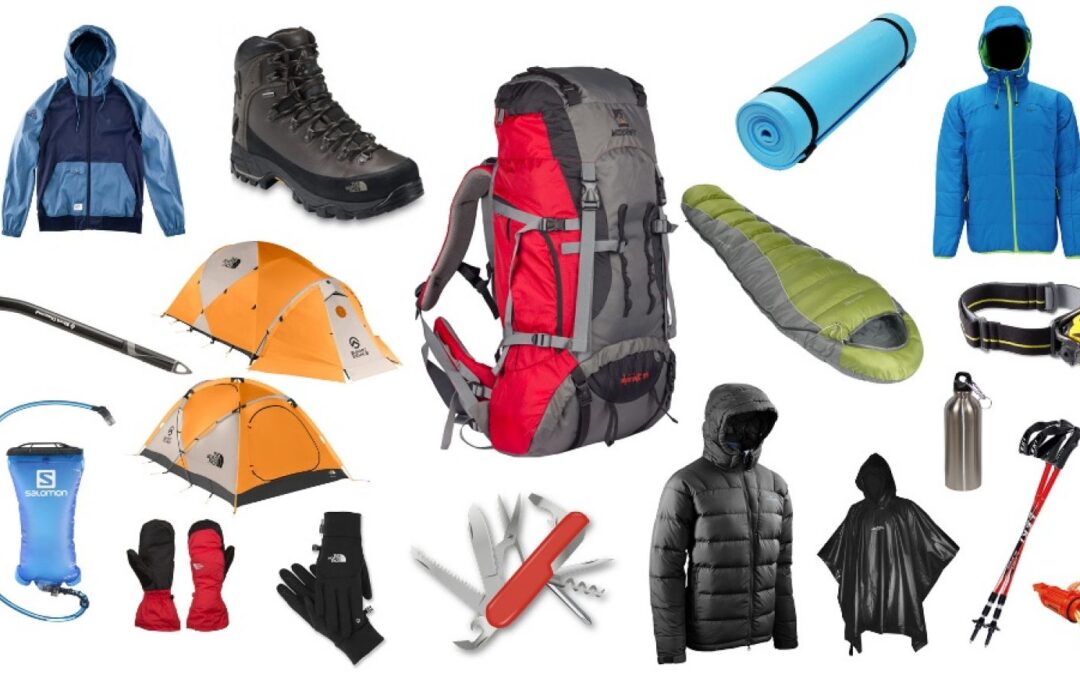
Kilimanjaro Trekking Recomended Parking List

Kilimanjaro Trekking Recomended Parking List

Kilimanjaro Trekking Recomended Parking List

Clothing for Kilimanjaro

On Kilimanjaro, you’ll experience a fascinating range of climates as you traverse through four distinct zones: the lush rainforest, the expansive moorland, the picturesque alpine meadows, and the breathtaking Arctic desert. Prepare yourself for the contrasting weather conditions, with the lower altitude rainforest being hot and humid, and the summit zone boasting freezing temperatures, accompanied by strong winds. Daytime temperatures tend to be elevated, but be aware that they can plummet to freezing levels during the night. It is crucial to equip yourself thoroughly to tackle these variable conditions.  

Jackets

For this trip, you’ll need three types of jackets:  

Clothing for Kilimanjaro

On Kilimanjaro, you’ll experience a fascinating range of climates as you traverse through four distinct zones: the lush rainforest, the expansive moorland, the picturesque alpine meadows, and the breathtaking Arctic desert. Prepare yourself for the contrasting weather conditions, with the lower altitude rainforest being hot and humid, and the summit zone boasting freezing temperatures, accompanied by strong winds. Daytime temperatures tend to be elevated, but be aware that they can plummet to freezing levels during the night. It is crucial to equip yourself thoroughly to tackle these variable conditions.

Jackets

For this trip, you’ll need three types of jackets:  

A fleece jacket provides insulation.

Fleece jackets can be worn separately or over a trekking shirt. They are ideal for use at night while camping. A fleece jacket is essential; you’ll be wearing it for the majority of your Kilimanjaro trek. Polartec-200 fabric is preferred over all others for Kilimanjaro trips. The greatest fleece jacket brands are The North Face, Red Fox, Mountain Hardwear, and Patagonia. Hooded fleece jackets provide more warmth and comfort. We recommend packing 2-3 items for your trip. The North Face, Red Fox, Mountain Hardwear, and Patagonia provide the best fleece coats for Kilimanjaro treks.

Rain jacket with a membrane hard shell

You’ll probably need a hard shell rain jacket from the moment you leave for your trip. The purpose of this garment is to shield you from the wind and light rain before you arrive at the summit camp. It would be your third layer, following thermal underwear and a fleece jacket, for the majority of Kilimanjaro days.

Warm jacket or Down jacket

In camp, a warm jacket is used for summiting and for keeping you warm on chilly evenings. It is a vital component of your equipment. At -15°C / 5°F, a thermal jacket should be comfortable to wear and neither too heavy nor too light.
Verify that the warm jacket you’re wearing has a hood. The down jacket’s waterproofness is an additional crucial consideration. Since rain and snow are common on Mount Kilimanjaro, it is advised that you wear warm coats with an outer material that is water-resistant to protect yourself from light precipitation. You’ll need a specific rain jacket to provide extra coverage in the event of heavy rain or snowfall.

Trousers

For this trip, you’ll need three types of jackets:  

Trekking trousers.

Generally, adequate trekking pants will suffice for a journey to Mount Kilimanjaro. Even if you like to hike in shorts, you’ll still need pants for the colder nights in the camps and the higher altitude areas of Kilimanjaro.

Membrane rain pants.

Membrane pants are essential for any Kilimanjaro adventure, especially during the wet season. When worn with trekking pants, they provide excellent wind and rain protection, enhancing your overall experience.

Warm trousers or ski pants.

Warm trousers or ski pants are another essential item for your packing list. They are required for the top portion of your trip, when the weather is very chilly. These trousers should be water resistant, lined with fleece on the inside for warmth, and wrapped in strong hard shell insulation to defend against the elements. Ideally, these pants should be comfortable to wear in temperatures below -15 CO/5°F. If you are not used to chilly weather, you will appreciate wearing warm pants in Kilimanjaro’s higher camps.

shirts and underwear for hiking

For your climb up Kilimanjaro, you will require five to six pairs of underpants. Additionally, you will need to bring two or three pairs of thermal underwear (base layer) for this expedition; you will wear the first pair on regular days and the second pair on summit night. Moreover, thermal underwear makes sleeping more comfortable than not wearing it. To speed up the drying process, the initial set can be made of lightweight synthetic fabric. Wool and other warmer, more natural materials should be included in the one used for the summiting. Any type of branded thermal underwear is ideal for climbing Mount Kilimanjaro. It is essential to have two long sleeve shirts and three to four short sleeve shirts for Kilimanjaro trips. Steer clear of cotton since it wicks poorly. Lightweight and “breathable” fabric is ideal. Shirts composed of nylon or a blend of polyester and spandex are great.

Hiking backpacks and bags.

You will need good quality bags for your climb to Mount Kilimanjaro. To put it briefly, you will require two different kinds of bags: a duffel bag that a porter will handle and a daypack that you will carry yourself.

Daypack.

Your daypack will hold your daily necessities, such as sunglasses, sunscreen, a rain poncho, a flashlight, a flask of water, and snacks. It is also the best spot to store your equipment, such as your camera and smartphone. Your daypack should be lightweight as possible. Leave heavier options for future hikes. Furthermore, ensure that your daypack fits properly on your back. We recommend taking it on a little hike before Kilimanjaro to ensure that it is appropriate and comfortable for this expedition. When selecting a backpack, please pay attention to the following:

  • Your Kilimanjaro backpack should include a rain cover. Rain can come soon, thus it will be required to protect the contents.
  • It should feature side pockets for trekking poles, a water flask (bottle), and any other items you think are useful to have easily accessible.
  • A good backpack should also include a hip belt, which helps to relieve weight pressure.
  • Ideally, a daypack should be compatible with a camel bag or hydration bladder.
The best hiking daypacks are made by Black Diamond. A good backpack should also include a shoulder hip belt, which helps to relieve weight pressure.

Duffle bag.

The majority of your Kilimanjaro clothing and gear will be kept in a duffle bag, including hiking boots (unless you’ve opted to wear them right away), a sleeping bag, and other items. A porter will be carrying it at all times. Porters typically carry duffel bags on their heads, hence soft variants are required for their comfort. A porter carrying your duffle on his head will travel around 40-50 kilometers (depending on route). According to Kilimanjaro National Park regulations, your fully laden duffle bag should not weigh more than 15 kilograms.

  • Have a minimum capacity of 90-120 liters. Otherwise, you will be unable to fit the whole Kilimanjaro outfit.
  • It should be manufactured from waterproof materials.
Along with a duffel bag, we recommend bringing several large dry bags to pack your gear in individually. This strategy will give additional protection and keep all of your goods dry in the event of heavy storms.Gladiola Adventure can provide you with a suitable, water-resistant duffle bag before your journey begins.

Water Flask.

A water flask is an absolute necessity. Unlike some low-quality hydration bladders, it will not freeze over night. You must drink at least 3-4 liters of water every day, so a flask is an essential equipment for this trip. You should pack 1-2 water flasks (one liter each) for your Kilimanjaro expedition. Aside from a water flask, it is also advisable to have a thermos for hot tea or coffee. Though the guides usually carry one thermos each for the hikers to have a hot drink on the route, bringing your own means having extra supplies, which are never unnecessary on Kilimanjaro. greater tea or coffee equals greater energy, which you will undoubtedly need.

Footwear.

Footwear is one of the most critical items on your Kilimanjaro packing list. This is where you need be especially careful and selective. Choosing hiking boots and/or shoes is an extremely important chore. A poor choice here might lead to damaged toenails, corns, and blisters. This tour will require high-quality hiking boots, trekking shoes (optional), and trekking socks.

Trekking Boots.

Choosing the right trekking boots is certainly crucial. There are numerous possibilities on the market, and it might be difficult to select the appropriate one. Ideally, your hiking footwear should meet the following requirements:

  • Boots should provide enough ankle support. To avoid injury, buy a strong model with adequate ankle support.
  • Boots should be medium weight. Avoid choosing boots that are too hefty; they will reduce your comfort and cause your feet to tire soon.
Of course, your boots should be waterproof so that your feet stay dry all the way to the summit. It is especially critical at the peak if you are climbing Kilimanjaro during the rainy season. Wearing high-quality trekking socks will provide additional protection, thus it is always advisable to include a pair.  

Trekking socks

Trekking socks are required on hikes like this. Cotton socks should be avoided since they absorb perspiration and cause blisters. Woolen socks, on the other hand, are an excellent choice for Kilimanjaro because they are both quick and efficient. wicking. Bridgedale is one such brand to consider.

Footwear.

Footwear is one of the most critical items on your Kilimanjaro packing list. This is where you need be especially careful and selective. Choosing hiking boots and/or shoes is an extremely important chore. A poor choice here might lead to damaged toenails, corns, and blisters. This tour will require high-quality hiking boots, trekking shoes (optional), and trekking socks.

Trekking Boots.

Choosing the right trekking boots is certainly crucial. There are numerous possibilities on the market, and it might be difficult to select the appropriate one. Ideally, your hiking footwear should meet the following requirements:

  • Boots should provide enough ankle support. To avoid injury, buy a strong model with adequate ankle support.
  • Boots should be medium weight. Avoid choosing boots that are too hefty; they will reduce your comfort and cause your feet to tire soon.
Of course, your boots should be waterproof so that your feet stay dry all the way to the summit. It is especially critical at the peak if you are climbing Kilimanjaro during the rainy season. Wearing high-quality trekking socks will provide additional protection, thus it is always advisable to include a pair.  

Trekking socks

Trekking socks are required on hikes like this. Cotton socks should be avoided since they absorb perspiration and cause blisters. Woolen socks, on the other hand, are an excellent choice for Kilimanjaro because they are both quick and efficient. wicking. Bridgedale is one such brand to consider.

Headgear

Kilimanjaro headgear, like other trekking equipment categories, includes both necessary and optional components.

Sun hat.

A sun hat is a must-have for your packing list. Ideally, it should also have a neck cover. This hat will keep your face safe from sunburn and overheating.  

Beanie.

It is necessary to bring a beanie on this journey. At higher elevations, you’ll start to feel cold, so a decent beanie will help keep your head and ears warm. It should be warm enough to withstand the summit area’s low temperatures and snowfall.

Sunglasses.

When it comes buying sunglasses, there are several important factors to consider. First and foremost, eyewear should provide enough UV protection. UV light is substantially more intense at 6,000 meters above sea level than at sea level itself. Second, when picking sunglasses, keep in mind that snow on the summit reflects light, placing additional pressure on your eyes. Even if the weather is gloomy, you should wear sunglasses as you approach the summit. Otherwise, you may acquire a condition called snowblindness. It is extremely harmful and may permanently impair your vision. Thus, buy a high-quality mountain model with three or four levels of UV protection. Summit glasses, as well as other necessary equipment, can always be rented at a reasonable price from our Kilimanjaro rental shop. Julbo Explorer and Oakley offer the best eyewear for a Mount Kilimanjaro climbing experience.

Headlamp.

You cannot trek Mount Kilimanjaro without a headlamp. For starters, you’ll need it after sunset to move around the camp, as finding your tent can be difficult. Furthermore, if you walk to the bathroom at night without a headlamp, you may stumble into the tent ropes. Second, a headlamp will be required during the peak. Hikers usually start at midnight and hope to reach Uhuru peak by daylight. So a headlamp will be really useful for seeing the path. Please consider the following aspects while selecting a headlight for your trip:

  • Examine the quality of light. The brighter your headlamp, the better suited it is to the hike. Optimally, the light output should exceed 90-100 lumens, with a beam distance of at least 40-50 meters.
  • Purchase decent batteries. Ideally, the active mode should last roughly 30 hours. Otherwise, don’t forget to bring spare batteries.
  • Finally, your headlight should not be excessively heavy. Because it is worn on the head, it should be fairly lightweight. As a result, nothing weighing more than 120 g should be considered.
  • Avoid purchasing headlights with rechargeable batteries. Their battery life is significantly lower, and there are no power outlets on Kilimanjaro to charge them.

Trekking poles

Trekking poles

Lightweight gloves are designed to keep your hands warm beginning on the second day of your excursion. Most hikers wear them until they reach the summit camp, after which they put on their outer gloves. Inner gloves should be constructed of high-quality materials, preferably wool, polartec, or synthetics. Cotton gloves are unsuitable for Kilimanjaro due to their limited wicking capacity.

Sleeping bag.

Sleeping bag for Kilimanjaro trekking.

A sleeping bag is required in each camp and on all routes when climbing Mount Kilimanjaro, regardless of the season. Though some may believe that the huts on the Marangu path are comfortable, the truth is that they are not heated, therefore it is your job to stay warm at night. The sleeping bag should be warm. To begin with, your sleeping environment has three temperature settings. “Comfort level” refers to the temperature at which you may sleep comfortably in your sleeping bag wearing only thermal underwear. “Limit level” refers to the temperature at which you can use your sleeping bag while wearing several layers of extra clothing. Sleeping bags should not be utilized at temperatures over that limit. “Extreme level” refers to the temperature at which a sleeping bag can be used as an emergency measure to protect a climber from hypothermia until emergency personnel arrive. Nighttime temperatures in Kilimanjaro’s top camps are extremely low. Your sleeping bag’s comfort level should be at least -10°C / 14°F. If you can find a sleeping bag that is warmer, you will not be disappointed! Nobody has ever complained that their sleeping bag was too hot. Ideally, your sleeping bag should feature a hood to protect your head and allow you to sleep better at night.

Our Kilimanjaro sleeping bag recommendations are Mountain Hardwear’s Lamina Z Blaze (Comfort Level -15°F / -26°C) and The North Face sleeping bags. Because sleeping bags are very large, you can rent one from our Kilimanjaro rentals shop upon arrival. We continually renovate our inventory, ensuring that our hikers have access to the greatest sleeping bag.

Gloves.

You will want two types of gloves for this adventure: light inner gloves and warmer outer gloves for the summit night. Both types of gloves are required for your Kilimanjaro trek.

Lightweight gloves

Lightweight gloves are designed to keep your hands warm beginning on the second day of your excursion. Most hikers wear them until they reach the summit camp, after which they put on their outer gloves. Inner gloves should be constructed of high-quality materials, preferably wool, polartec, or synthetics. Cotton gloves are unsuitable for Kilimanjaro due to their limited wicking capacity.

Mittens.

You will also require warm gloves or mittens for the summit night. They should be warm, waterproof, and comfortable to use. Mittens are preferable because the summit typically takes around eight hours to reach and you will be clutching trekking poles the entire way. As a result, it is critical to maintain them warm at -15 degrees Celsius/5 degrees Fahrenheit.